July 26, 2021By: Eric Zybura
Although last year’s scramble for household items has mostly passed, supply chain challenges continue to crop up in 2021. The backup at US ports, semiconductor chip shortages, and other supply issues have affected industries across the board. Even national chains like Starbucks and Chick-Fil-A are feeling the pinch. We’ve seen our customers face several supply chain challenges of their own this year, and we’ve helped them create solutions that kept their businesses moving forward. To share some of these solutions with you, we called on our Approved experts who have been navigating supply chain issues alongside our clients. Below, you’ll find their top tips for surviving the supply chain challenges of 2021. #1: It Might...
Read MoreJuly 19, 2021By: Eric Zybura
Approved is proud to announce to have once again been honored as 2021’s Top 100 3PL companies by Inbound Logistics Magazine. This is the sixth year we have made this prestigious list. The recognition is given for exceptional supply chain expertise, strategic vision, and client partnerships. “We are so honored to be selected for this prestigious list for the sixth year,” said Randy Tutor, Vice President of Sales. “This year, our team has worked through pandemic challenges to continue providing best in class service. I couldn’t be more proud.” Approved Forwarders was handpicked by the Inbound Logistics editors for this select list of best of...
Read MoreJuly 12, 2021By: Eric Zybura
Like many other specialized areas, the logistics and transportation industry has its own set of terminology. In fact, if you're listening to two logistics pros chat about an upcoming shipment, it might even sound like they're speaking an entirely different language. To help you decode the transportation, freight and logistics words you might hear, we dug deep into our glossary of transportation terms and pulled out one common one that causes an uncommon amount of confusion for many: freight forwarder. We'll walk you through exactly what a freight forwarder is, what a freight forwarder does, what kind of services a freight forwarder offers and why you might want to use a freight forwarder when you're shipping...
Read MoreJuly 5, 2021By: Eric Zybura
It's something thousands of people ask Google every month, and, if you're not in the freight/logistics industry, it's not really common knowledge. So we're here to clear up the answer to this frequently asked question: What is a 3PL? In addition to explaining exactly what a 3PL company is, we'll also take you on a quick tour of what a 3PL does—and how they can help you with your business logistics. Let's dive in! What Is a 3PL? 3PL is actually an acronym that stands for 3rd–Party Logistics. When someone hires a 3PL company, they're turning over their logistics—including things like warehousing and fulfillment—to a third party. That third party, the 3PL, is a company...
Read MoreJune 25, 2021By: Eric Zybura
Out of all the links in a supply chain, the delivery phase is where the rubber meets the road. It's that crucial moment in which the product that you've worked so hard to bring to fruition ends up in the hands of the person you created it for. As you may already realize, how your product gets delivered is just important as the product itself—and maybe even more so. To illustrate this point, consider this statistic from a survey produced by Convey, a delivery experience management software developer. Their research revealed that 84% of consumers say that they won't buy again from a brand after just one single bad delivery experience. In other words, the delivery phase of your supply chain is crucial to your customer...
Read MoreJune 18, 2021By: Eric Zybura
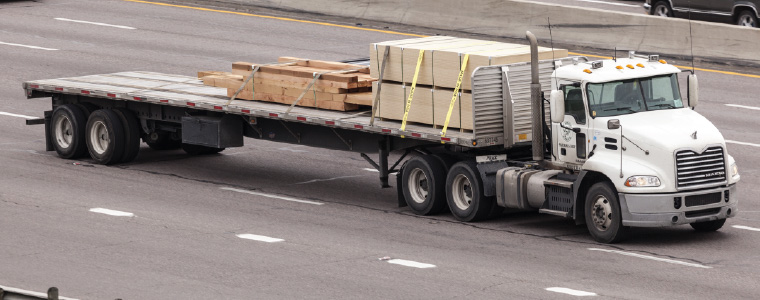
If you don't work in the logistics industry, the term "LTL freight" may be unfamiliar to you. After all, small parcel carriers are perfectly adequate for some business' needs. For example, a one-person shop who sells necklaces on Etsy can usually get supplies delivered and send customer orders through carriers like UPS, FedEx, and DHL. Even giant storefronts like Zappos can use those same parcel carriers to deliver orders to their customers. However, there comes a point when some businesses need more. For example, imagine that you need to order a few pallets of raw materials from a supplier. Or maybe you make a deal with a retail outlet to sell large quantities of your goods. Or maybe...
Read More


 (626) 723-0722