

 (626) 723-0722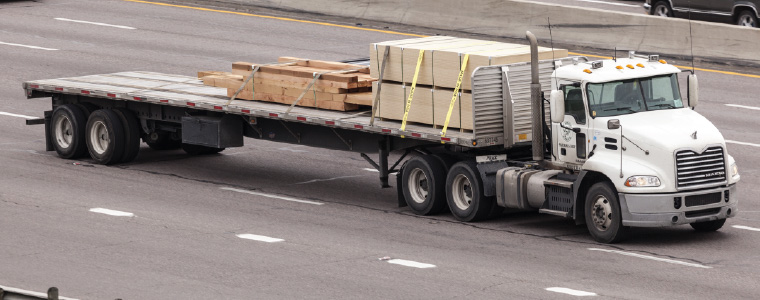
What Is Partial Truckload Shipping?
PTL vs. LTL vs. FTL: How They Stack Up
| LTL | Partial Truckload | Full Truckload | |
|---|---|---|---|
| Shipment Size | 1-5 pallets | 6–18 linear ft / 5k–20k lbs | 20+ pallets / 40k+ lbs |
| Handling | Multiple touches | Minimal | Direct |
| Transit Time | Slower | Moderate to fast | Fastest |
| Cost | Per 100 lbs (CWT) | Per linear foot or spot | Per load |
| Damage Risk | Higher | Lower | Lowest |
| Best For | Small, light freight | Mid-size, fragile, or time-sensitive | High-volume lanes |
5 Signs You Should Be Using Partial Truckload
1.
Your LTL Freight Keeps Getting Damaged
LTL freight changes hands multiple times at cross-dock facilities. Every touch is an opportunity for something to go wrong. If you’re filing damage claims regularly, PTL’s reduced handling can solve the problem without jumping to a full dedicated truck.
2.
You’re Shipping 6+ Pallets Consistently
Once you hit 6 to 8 standard pallets, LTL pricing starts to lose its advantage. Partial freight loads are typically priced by linear foot, which can be more predictable and more competitive at that volume.
3.
Your Freight Is Fragile, Oversized, or High-Value
Flatbed partial loads, temperature-sensitive goods, and high-density freight all benefit from fewer hands on the shipment. PTL gives you LTL pricing with closer-to-truckload treatment.
4.
LTL Transit Times Are Killing Your Delivery Windows
Because partial truckload shipments often move without the stop-and-sort routing of LTL, they can deliver faster — especially on lanes where LTL has limited direct service.
5.
You’re on a Lane With Consistent Volume
If you’re regularly moving similar freight on the same lane, PTL carriers can build that into their network — which often translates into better rates and more reliable service over time.
How Partial Truckload Pricing Works
Linear feet or weight of the shipment
Lane (origin/destination pair and carrier network density)
Commodity type
(hazmat, high-value, temp-controlled)
Accessorial needs
(liftgate, appointment delivery, inside delivery)
Market conditions
— spot vs. contract pricing
Finding the Right Partial Truckload Carriers
- Network coverage on your specific lane
- Equipment availability (dry van, flatbed, temperature-controlled)
- Track record with your commodity type
- Claims ratio and damage rates
- Technology for tracking and communication
Partial Truckload Shipping With Approved Freight Forwarders
Frequently Asked Questions About Partial Truckload Shipping
Get a Free Quote