February 11, 2020By: Eric Zybura
Since 2008, imports from China to the United States are up a staggering 59.7%. In fact, the country has become the U.S.’s largest goods trading partner, with imports of electrical machinery, furniture and bedding, toys and sports equipment and plastics leading the charge. We’ve certainly seen a rise in new companies getting into this market. While many take advantage of the Amazon platform to sell these imported goods, we’ve also seen several companies establish their own websites. If you’re new to importing goods from China—or you’d like to get in on this nearly $560 billion-dollar market—there are a couple of common mistakes you’ll want to avoid. We’ll show you the six we see most often. By...
Read MoreJanuary 14, 2020By: Eric Zybura
Last Updated: 9/15/2024 If you've ever looked at a bill of lading (BOL), you'll see three parties named on the document: the shipper, the carrier, and the consignee. If you're new to the logistics world, these terms may be unfamiliar—or confusing. In order to make it simple for you to 1) understand your bill of lading and 2) give your freight forwarder the information they need to effectively move your shipment, we'll walk you these three main parties on your bill of lading. BOL Meaning in Logistics: Three Key Parties Explained A bill of lading (BOL) is a legal document issued by a carrier that outlines the details of a shipment, including the type of goods, quantity, and destination....
Read MoreJanuary 6, 2020By: Eric Zybura
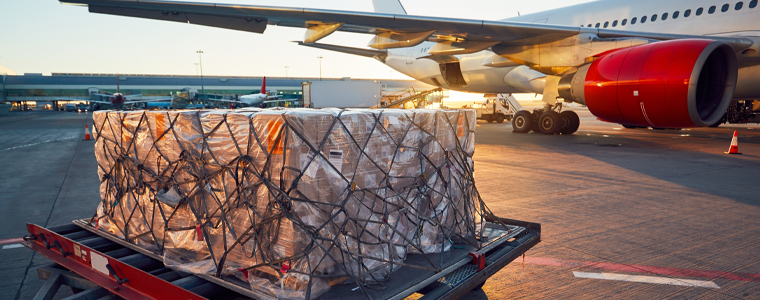
Pallets can make it much easier to handle and transport your goods traveling via air freight, as is the case with goods shipping via ocean freight. Additionally, freight that's placed on a pallet can be moved without touching the actual goods themselves, reducing the possibility of damage. That being said, incorrectly prepping your palletized freight puts it at high risk during transit. In order to decrease the possibility of damage to your goods, we've put together a list of the most common mistakes we see in palletized air freight. We'll also share our solutions to help you correct these mistakes. By reviewing this list, you'll set the stage for ensuring that your shipment reaches its destination in perfect condition—and on time. Mistake #1: Overpacking Your Shipment When you're preparing your air freight shipments,...
Read MoreDecember 23, 2019By: Eric Zybura
During the holidays, merchants expect to do nearly 20-30% of their annual revenue, so it’s no wonder that things are getting busy! During the final weeks of the year, transit times for shipments increase as trucks, trains and steamships are packed to capacity. Each year, the holiday supply chain stretches to meet increased demand. And everyone from shippers to carriers to retailers and manufacturers hopes to make their customers happy—and keep revenue flowing. To help you stay in the spirit during the holiday season, we’ve put together a list of 11 surprising facts that you might not have realized about holiday logistics. Enjoy—with our wishes for a smooth and successful holiday season! Fact #1: 35 million Christmas trees are harvested each year in the United States. That’s about one Christmas tree for...
Read MoreDecember 10, 2019By: Eric Zybura
On January 1, 2020, a set of emission standards created by the International Maritime Organization (IMO) will take effect. These regulations, which limit sulphur oxide (SOx) emissions from all ships, aim to create global health and environmental benefits, especially for populations who live in proximity to ports and coastal areas. In order to meet these new standards, steamship lines will need to make changes to 1) the fuels they use and/or 2) the equipment they operate. The global consulting firm AlixPartners estimates that these changes could cost the shipping industry as much as $10 billion. Furthermore, they estimate that this could result in fuel surcharges ranging from 33-40%. How will IMO 2020 affect your...
Read MoreNovember 4, 2019By: Eric Zybura
Careful management of your supply chain means analyzing each link to uncover new strategies that can give you an edge. When it comes to moving supplies and finished products, rail could be worth a look. In specific cases, transitioning from trucking to rail can offer your organization several advantages, including good transit times at lower rates. (More on the benefits of rail in a moment!) However, not all organizations will benefit equally from rail. Those that stand to benefit the most share three criteria: Criteria #1: You Have Access to a Rail Spur Moving freight exclusively by rail—as opposed to an intermodal solution—allows you to take full advantage of all that rail transport has to offer. This includes leveraging the additional capacity that rail cars can handle, both in terms of weight and volume. However,...
Read More


 (626) 723-0722