Shipping freight from Washington to Alaska is a common need for businesses across the Pacific Northwest—but it’s far from a simple truck haul. Alaska’s geography, infrastructure, and Jones Act regulations create a unique shipping environment that requires an experienced partner who knows the route inside and out.
Whether you’re moving commercial goods, construction equipment, food and beverage products, or retail inventory, this guide walks you through how freight moves from Washington to Alaska, what to expect, and how to make sure your shipment arrives on time and on budget.
Why Washington Is the Primary Gateway for Alaska Freight
Washington State—particularly the Seattle/Tacoma metro area—serves as the primary West Coast staging point for freight heading to Alaska. The Port of Seattle and the Port of Tacoma both offer regular vessel service to Anchorage, making them natural origin points for Alaska-bound cargo.
Approved Freight Forwarders provides pickup, consolidation, and coordination services for freight heading north. From there, cargo moves via ocean freight to the Port of Anchorage and transferred to the final destination in Alaska.
How Freight Moves from Washington to Alaska
Most commercial freight traveling from Washington to Alaska moves by ocean.
Ocean Freight
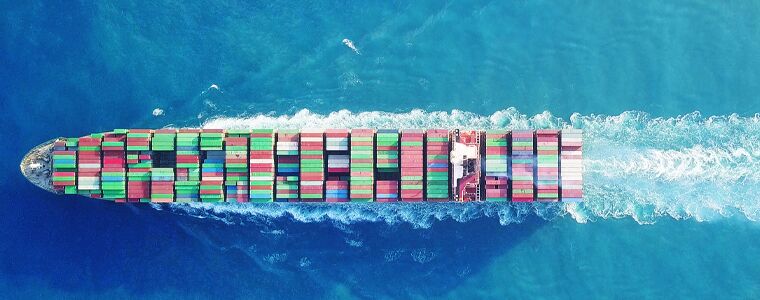
Ocean freight is the most cost-effective way to move large volumes of goods from Washington to Alaska. Vessels depart regularly from Seattle and Tacoma to Anchorage, with transit times typically ranging from a few days to about a week depending on vessel schedules and final delivery location.
Ocean freight options include:
Full Container Load (FCL):
Best for shippers with enough volume to fill a 20′ or 40′ container. Offers the lowest cost per unit and reduces handling.
Less Than Container Load (LCL):
Ideal for smaller shipments. Your freight is consolidated with other cargo in a shared container, giving you the cost benefits of ocean shipping without needing a full container.
Air Freight (For Time-Sensitive Shipments)
When speed is critical, air freight from Washington to Alaska offers the fastest transit times. Ted Stevens Anchorage International Airport (ANC) is one of the busiest cargo airports in the world—its location makes it a key hub for transpacific flights, and it routinely ranks in the global top 10 for cargo volume. Multiple airlines offer cargo service into Anchorage, and Approved can coordinate both LTL air and full air freight charters depending on your needs.

Trucking and Final-Mile Delivery in Alaska
Getting freight to the port is only half the equation. Once your cargo arrives in Anchorage, final-mile delivery in Alaska is its own challenge. Only about 18% of Alaska’s communities are accessible by road, and just 31% of public roads are paved. That means remote and rural deliveries require specialized planning, trusted local partners, and experience navigating Alaska’s terrain.
Understanding the Jones Act for Alaska Freight
Alaska is a Jones Act state, which means that any freight moving between two U.S. ports—including from Seattle or Tacoma to Anchorage—must be carried on U.S.-flagged, U.S.-built, and U.S.-crewed vessels. This is an important regulatory reality that shapes the carrier options, vessel schedules, and pricing you’ll encounter when shipping to Alaska.
Approved Freight Forwarders has been moving cargo within Jones Act lanes since 1991—including Alaska, Hawaii, Guam, and Puerto Rico. We understand the regulatory landscape, vessel schedules, and operational nuances that come with these routes, so you don’t have to.
What Types of Freight Can You Ship from Washington to Alaska?
We handle a wide range of freight types for businesses shipping to Alaska, including:
Commercial & Retail Inventory: Consumer goods, retail products, and wholesale merchandise destined for Anchorage, Fairbanks, and beyond.
Food & Beverage Products: Temperature-sensitive and shelf-stable food products for grocery chains, restaurants, and distributors throughout Alaska
Construction Materials & Equipment: Lumber, building supplies, heavy machinery, and project cargo for Alaska’s ongoing construction and infrastructure projects.
Energy Sector Cargo: Equipment and supplies for oil and gas operations, including remote and pipeline-adjacent destinations.
Medical Equipment & Supplies: Time-sensitive medical freight handled with care and priority routing when needed.
Hazardous Materials: Approved holds the proper certifications and expertise to move hazmat cargo in compliance with all applicable regulations.
Oversized & Project Cargo: No shipment is too large, too heavy, or too unusual. We welcome logistics challenges.
Why Choose Approved Freight Forwarders for Your Washington to Alaska Shipment?
Not every freight forwarder has the infrastructure, experience, and Alaska-specific expertise to move your cargo reliably. Here’s what sets Approved apart:
- 30+ Years of Jones Act Experience: Since 1991, we’ve built deep expertise in Jones Act shipping lanes. We know the regulations, the vessel schedules, the carriers, and the quirks of each port—so your freight moves without unnecessary delays or surprises.
- True End-to-End Service: We don’t hand your freight off and disappear. From pickup in Washington to final delivery anywhere in Alaska, Approved manages every step of the process.
- Proactive Communication: Our customers consistently highlight our responsiveness and communication. You’ll know where your freight is, when it sailed, and when it will arrive—without having to chase us down for updates.
- One Partner for Multiple Modes: Ocean, air, LTL, FTL, warehousing, and distribution—all under one roof. Managing multiple providers creates gaps. Working with Approved means one point of contact, one relationship, and one accountable team.
Frequently Asked Questions About Shipping Freight from Washington to Alaska


 (626) 723-0722