August 23, 2021By: Eric Zybura
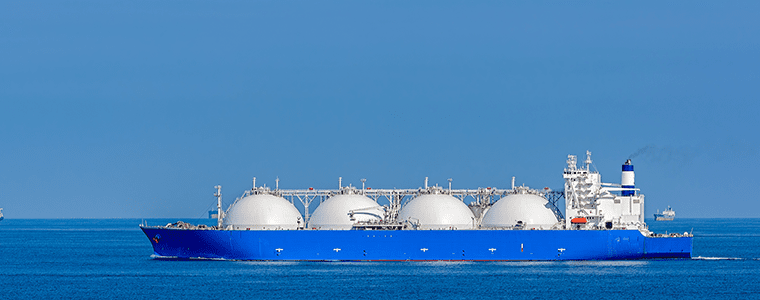
With more than 80% of international goods estimated to move by sea, ocean freight fuels our global economy.i In fact, the industry has been on a long-term track to growth, with volume nearly tripling since 1990.ii Since ocean freight is clearly here to stay, many have become concerned about its environmental impact. The industry faces several challenges along the road to sustainability, including reducing greenhouse gas emissions. However, thanks to advances in green technology, many shipping companies are successfully reducing their environmental footprint. Whether you're a company looking to embrace sustainability or simply curious about sustainability, we'll give you a run-down of the latest green tech solutions for ocean freight. While some have become established practices, others are still in development—truly on the cutting edge of "what's next" for the shipping...
Read MoreAugust 16, 2021By: Eric Zybura
Sustainability has become a hot topic in the world of logistics and supply chain management. Some companies embrace this value for ethical reasons. Others are leveraging sustainability measures to appeal to consumers, who are increasingly aware of environmental practices. In fact, a recent Forrester study published in Forbes revealed that 32% of U.S. consumers "prioritize companies that are actively reducing their impact on the environment."i Finally, many companies are pursuing sustainability measures to stay compliant with regulations. For example, the International Maritime Organization's low-sulfur mandate required many companies to reduce sulfur oxide emissions by changing fuels or adopting new technology. One of the trends we're seeing in sustainability is a move toward liquified natural gas (LNG)-fueled ships....
Read MoreJuly 26, 2021By: Eric Zybura
Although last year’s scramble for household items has mostly passed, supply chain challenges continue to crop up in 2021. The backup at US ports, semiconductor chip shortages, and other supply issues have affected industries across the board. Even national chains like Starbucks and Chick-Fil-A are feeling the pinch. We’ve seen our customers face several supply chain challenges of their own this year, and we’ve helped them create solutions that kept their businesses moving forward. To share some of these solutions with you, we called on our Approved experts who have been navigating supply chain issues alongside our clients. Below, you’ll find their top tips for surviving the supply chain challenges of 2021. #1: It Might...
Read MoreJuly 12, 2021By: Eric Zybura
Like many other specialized areas, the logistics and transportation industry has its own set of terminology. In fact, if you're listening to two logistics pros chat about an upcoming shipment, it might even sound like they're speaking an entirely different language. To help you decode the transportation, freight and logistics words you might hear, we dug deep into our glossary of transportation terms and pulled out one common one that causes an uncommon amount of confusion for many: freight forwarder. We'll walk you through exactly what a freight forwarder is, what a freight forwarder does, what kind of services a freight forwarder offers and why you might want to use a freight forwarder when you're shipping...
Read MoreJune 25, 2021By: Eric Zybura
Out of all the links in a supply chain, the delivery phase is where the rubber meets the road. It's that crucial moment in which the product that you've worked so hard to bring to fruition ends up in the hands of the person you created it for. As you may already realize, how your product gets delivered is just important as the product itself—and maybe even more so. To illustrate this point, consider this statistic from a survey produced by Convey, a delivery experience management software developer. Their research revealed that 84% of consumers say that they won't buy again from a brand after just one single bad delivery experience. In other words, the delivery phase of your supply chain is crucial to your customer...
Read MoreJune 11, 2021By: Eric Zybura
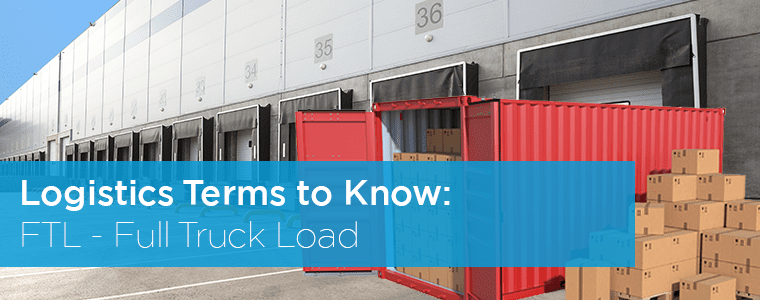
When you're choosing methods for shipping supplies and/or goods for your business, it's important to understand all your options so you pick the right one. If that's what brought you to this article today, you're in the right place. You're also in the right place if you're looking to understand more about logistics, particularly modes of transportation and how they're priced. In this article, we'll walk you through a key method for moving both goods and supplies: FTL freight. You'll discover exactly what FTL freight is, and why it might be right (or wrong!) for your business. (And, if you have questions about any other terms, make sure to...
Read More 

 (626) 723-0722