July 12, 2021By: Eric Zybura
Like many other specialized areas, the logistics and transportation industry has its own set of terminology. In fact, if you’re listening to two logistics pros chat about an upcoming shipment, it might even sound like they’re speaking an entirely different language. To help you decode the transportation, freight and logistics words you might hear, we dug deep into our glossary of transportation terms and pulled out one common one that causes an uncommon amount of confusion for many: freight forwarder. We’ll walk you through exactly what a freight forwarder is, what a freight forwarder does, what kind of services a freight forwarder offers and why you might want to use a freight forwarder when you’re shipping...
Read MoreJune 25, 2021By: Eric Zybura
Out of all the links in a supply chain, the delivery phase is where the rubber meets the road. It’s that crucial moment in which the product that you’ve worked so hard to bring to fruition ends up in the hands of the person you created it for. As you may already realize, how your product gets delivered is just important as the product itself—and maybe even more so. To illustrate this point, consider this statistic from a survey produced by Convey, a delivery experience management software developer. Their research revealed that 84% of consumers say that they won’t buy again from a brand after just one single bad delivery experience. In other words, the delivery phase of your supply chain is crucial to your customer...
Read MoreJune 11, 2021By: Eric Zybura
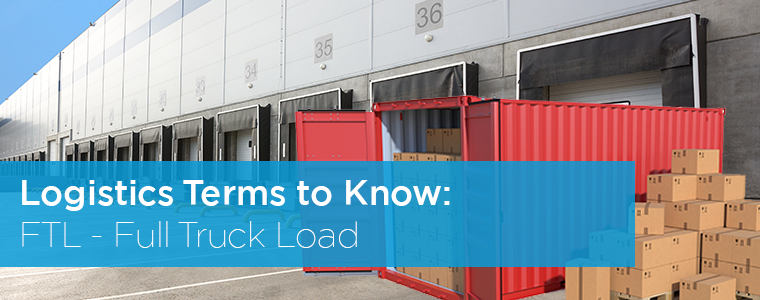
When you’re choosing methods for shipping supplies and/or goods for your business, it’s important to understand all your options so you pick the right one. If that’s what brought you to this article today, you’re in the right place. You’re also in the right place if you’re looking to understand more about logistics, particularly modes of transportation and how they’re priced. In this article, we’ll walk you through a key method for moving both goods and supplies: FTL freight. You’ll discover exactly what FTL freight is, and why it might be right (or wrong!) for your business. (And, if you have questions about any other terms, make sure to...
Read MoreJune 4, 2021By: Eric Zybura
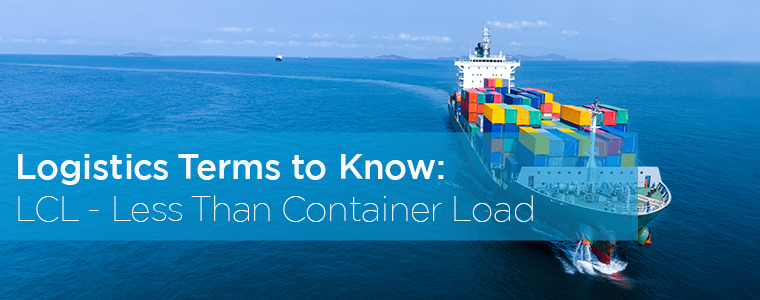
Ocean freight is on the rise, according to a report by Research and Markets. The research company has projected a 3% compound annual growth rate for this mode of transportation through 2025.i If that holds true, terms like LCL and its close cousin, FCL, will only increase in popularity as more businesses start moving goods via ocean freight. If you’re one of those companies interested in ocean freight—or you simply want to learn more about this mode—we’ll walk you through exactly what exactly LCL freight is. We’ll also show you why it might be right (or not!) for your organization. (And, if you have questions about any other terms, make sure to check out our Approved glossary...
Read MoreJune 4, 2021By: Eric Zybura
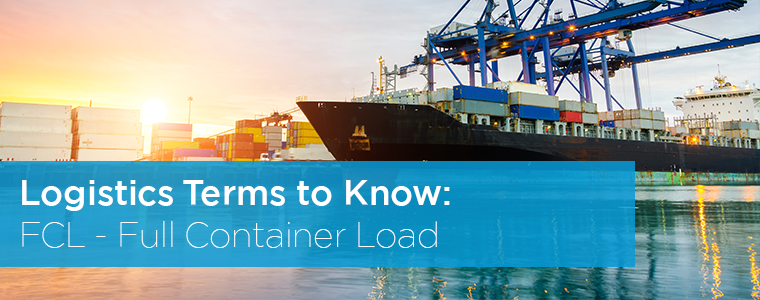
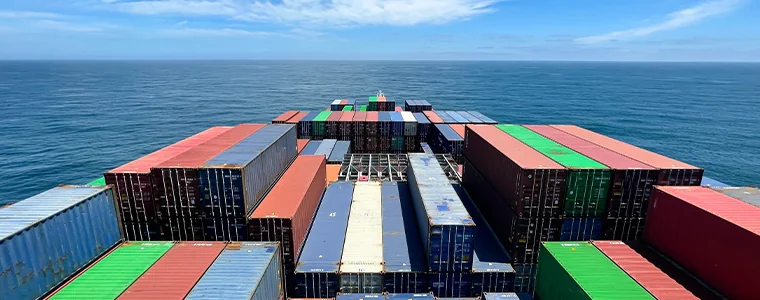
It’s estimated that 11 billion tons of goods move via ocean freight every year. In 2020, 775 million twenty-foot equivalent units (TEUs) were shipped globally—the equivalent of 387 million 40′ containers. Additionally, that volume is projected to continually increase into 2024ii—and likely beyond. In short, ocean freight is big business, and it all centers around the containers used to transport cargo and goods. If you want to discover more about this critical shipping mode, we’ll walk you through the most common option for moving freight via ocean transport: FCL shipments. We’ll explain what FCL means, and we’ll also discuss why it might be the right choice for your business—or not! (If you want to explore more logistics lingo, make sure to check out our Approved glossary of freight and logistics terms!) What...
Read MoreMarch 22, 2021By: Eric Zybura
With sustainability initiatives popping up all over the transportation and logistics industry, it’s only natural that attention would turn toward over-the-road transportation and its diesel emissions. While diesel-powered medium- and heavy-duty vehicles represent only 5% of road traffic, they account for more than 20% of emissions. Additionally, truck traffic in and out of busy ports like the Ports of Los Angeles and Long Beach contributes to overall emissions, which have been linked to higher incidences of cancer and asthma in surrounding areas. Recent advances in electric vehicles—including semis, box trucks, and delivery vans—offer the transportation industry an appealing alternative. Some of the industry’s biggest names...
Read More


 (626) 723-0722