September 20, 2021By: Eric Zybura
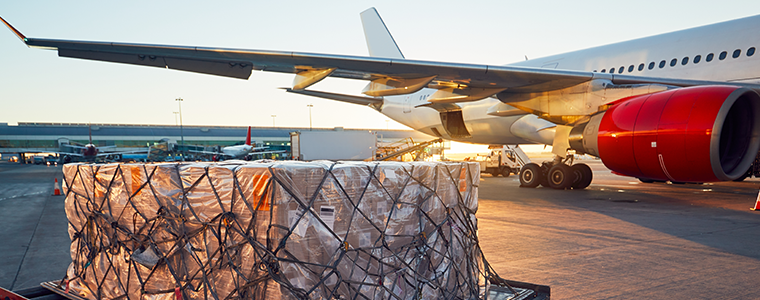
In the United States, transportation is the largest contributor to greenhouse gases. That dubious distinction previously belonged to power plants. However, starting in 2017, transportation eclipsed electricity generation in terms of emissions. In fact, transportation is currently estimated to contribute 29% of all U.S. greenhouse gases.i For its part, the freight and transportation industry has made a significant push toward sustainability. Ocean freight in particular has leveraged new technology to power more sustainable ocean transportation, including LNG-powered container ships. Other prevalent modes of freight transportation—road, rail, and air—are making moves of their own to reduce their environmental footprint. Let’s take a closer look at the technology behind the sustainability efforts in these three arenas. ...
Read MoreSeptember 13, 2021By: Eric Zybura
Innovation drives supply chain optimization. As you'll see in the profiles of these six forward-thinking companies, fresh ideas can create new efficiencies, solve persistent problems, and open the door for new opportunities in supply chain effectiveness. We'll look into the latest advances in logistics hardware, software and strategy. Plus, a peek at what's coming down the road in the industry. You may discover some new ideas to power your own supply chain—or you may get inspired to create innovations of your own! Attabotics: Reimagining the Warehouse read more Inspired by the efficiency and structure of ant colonies, Attabotics is using robots to take the warehouse in a new dimension: up. What if you could reduce the footprint of a warehouse from 1.5 million square feet to just 340,000—and...
Read MoreAugust 30, 2021By: Eric Zybura
Updated: 5/25/2023 “Limited capacity and volatile rates” was the main headline for much of 2020 where the air freight market was concerned. As airlines canceled passenger flights and orders for PPE and essential supplies spiked, the cost to send goods via air freight hit new highs—and held firm for quite some time. At the start of 2023, we’re seeing a different picture emerge. Capacity is recovering. An analysis from CLIVE Data Services revealed that, in February 2023, air cargo capacity finally rose above pre-pandemic levels. Volume in February 2023 was still below pre-pandemic levels, though—7% less in chargeable weight, as compared to 2019. And...
Read MoreAugust 23, 2021By: Eric Zybura
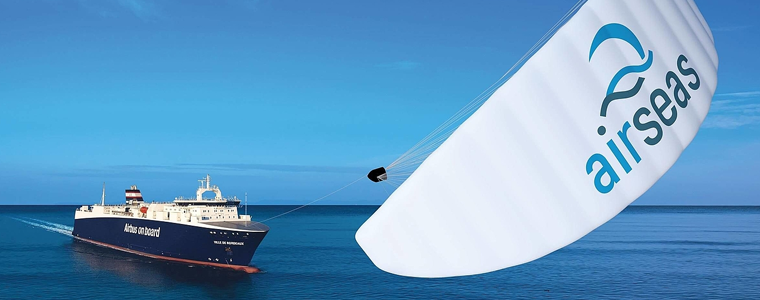
With more than 80% of international goods estimated to move by sea, ocean freight fuels our global economy.i In fact, the industry has been on a long-term track to growth, with volume nearly tripling since 1990.ii Since ocean freight is clearly here to stay, many have become concerned about its environmental impact. The industry faces several challenges along the road to sustainability, including reducing greenhouse gas emissions. However, thanks to advances in green technology, many shipping companies are successfully reducing their environmental footprint. Whether you're a company looking to embrace sustainability or simply curious about sustainability, we'll give you a run-down of the latest green tech solutions for ocean freight. While some have become established practices, others are still in development—truly on the cutting edge of "what's next" for the shipping...
Read MoreAugust 16, 2021By: Eric Zybura
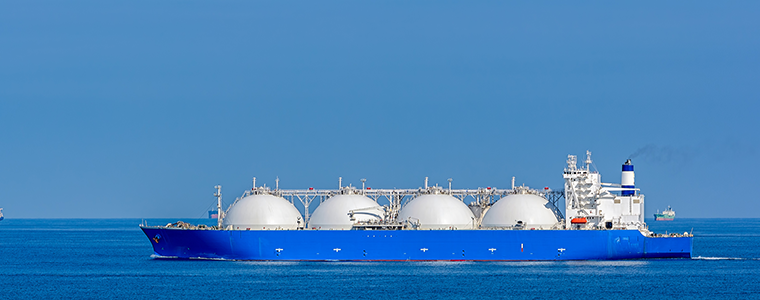
Sustainability has become a hot topic in the world of logistics and supply chain management. Some companies embrace this value for ethical reasons. Others are leveraging sustainability measures to appeal to consumers, who are increasingly aware of environmental practices. In fact, a recent Forrester study published in Forbes revealed that 32% of U.S. consumers "prioritize companies that are actively reducing their impact on the environment."i Finally, many companies are pursuing sustainability measures to stay compliant with regulations. For example, the International Maritime Organization's low-sulfur mandate required many companies to reduce sulfur oxide emissions by changing fuels or adopting new technology. One of the trends we're seeing in sustainability is a move toward liquified natural gas (LNG)-fueled ships....
Read MoreAugust 9, 2021By: Eric Zybura
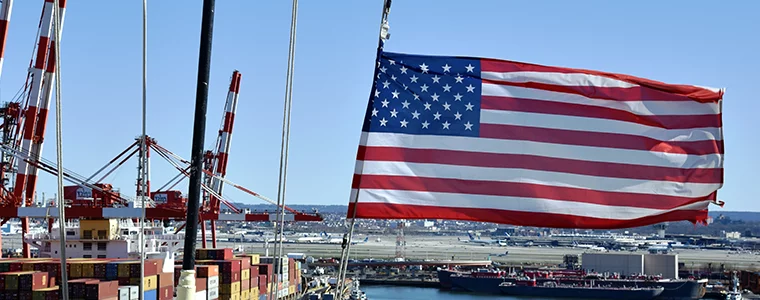
Before Hurricane Maria tore across the island of Puerto Rico in September 2017, few Americans had heard of the Jones Act. If you 1) don’t work in the shipping industry or 2) don’t live in a destination impacted by this law, you might not think much about this sub-section of the Merchant Marine Act of 1920. The Jones Act requires that all ships carrying goods between two U.S. destinations be built, owned, and operated by U.S. citizens or permanent residents. During Puerto Rico’s recovery from Hurricane Maria, the Jones Act made headlines nationwide as President Donald Trump issued a temporary waiver for the territory. The goal? To expedite relief, aid, and supplies to the people...
Read More


 (626) 723-0722