July 23, 2019By: Eric Zybura
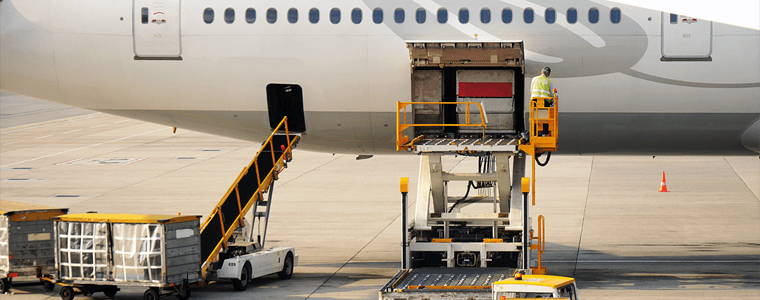
Air freight offers you the advantage of being able to move shipments quickly—and with a minimum amount of handling. However, when your cargo includes items that are considered hazardous, there are a few regulations you’ll need to comply with in order to leverage this mode of transport. Even if you’re familiar with shipping hazardous materials via ocean freight, you should know that air freight has its own unique set of rules. These regulations keep your shipment safe in transit. They also protect the plane and its aircrew as they move your cargo to its destination. To help you keep compliant with the hazardous materials regulations—and ensure timely delivery of your shipments—we’ll answer the four most common...
Read MoreJuly 9, 2019By: Eric Zybura
As your company grows, your logistics needs will likely grow, too. You may outgrow a shipping vendor who only moves packages from origin to destination. Instead, you might find yourself searching for a solution to manage whole sections of your supply chain. At that juncture, you have a choice: Bring the expertise in house or outsource. Outsourcing your transportation management offers several distinct advantages. It gives you near-instant access to expertise without having to train or hire a team member. Outsourcing can also help you simplify your operations, spot inefficiencies in your supply chain and solve logistical challenges to help your operations run even more smoothly. To help you decide whether outsourcing your transportation management is right for...
Read MoreJune 25, 2019By: Eric Zybura
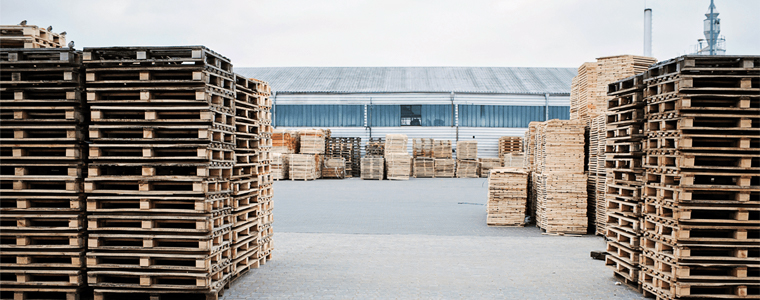
Loading your freight onto pallets for ocean, rail and road transport offers you several advantages along your supply chain. In addition to allowing you to move larger quantities of goods more efficiently, standardized pallets also make shipping and storage of your goods simpler for you and your carrier. Finally, because palletized goods can be moved easily by all the links that make up your supply chain, pallets give your freight greater protection—but only when they’re packed and secured properly. Damaged freight creates significant challenges for your business. Crushed boxes, dented or scratched inventory or, worse, broken parts, can impact your bottom line considerably. They can also upset your customers. Additionally, if these issues are happening with any regularity, they can erode trust between you and your business partners. At Approved, we inspect every shipment that comes through our warehouse...
Read MoreMay 21, 2019By: Eric Zybura
An efficient supply chain keeps all aspects of your business running smoothly. If you’re a manufacturer, you’ll have access to all the components you need—when you need them—to meet your delivery dates. If you’re a retailer, you’ll find it easy to keep the flow of inventory to your stores constant. And no matter what business you’re in, a supply chain that runs smoothly allows you to deliver consistently on the promises you make to your customers. On the flip side, however, inefficiencies in your supply chain can cost your business in big ways. You might see symptoms like longer transit times on critical shipments, increasing your inventory carrying costs. For manufacturers, this could cause delays on the assembly line, which can push delivery...
Read MoreMay 14, 2019By: Eric Zybura
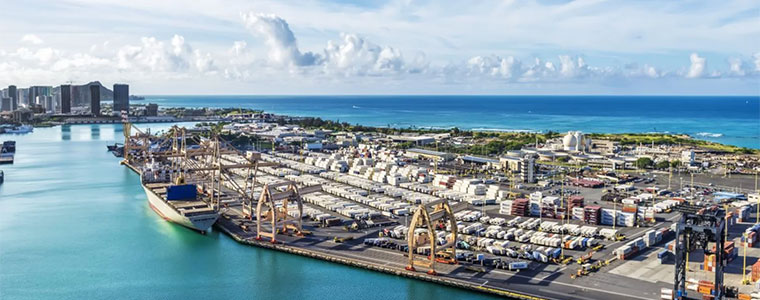
Hazardous materials present a risk at almost all the stops along your supply chain. Items that are explosive, flammable, corrosive, poisonous, radioactive and more can present challenges during ground delivery, warehousing, ocean transport—even at the final destination, where mislabeled hazardous materials can harm the receiver. In the worst case scenario, undeclared hazardous materials could lead to a shipping line placing unknowingly reactive substances near each other for an ocean voyage, which could cause an explosion at sea. In order to ensure safe handling and delivery of hazardous materials via ocean freight, there are five things you need to be aware of. Mislabeled or undeclared hazardous materials can also net you huge civil penalties. However, understanding these five principles will help you stay compliant and steer clear...
Read MoreApril 30, 2019By: Eric Zybura
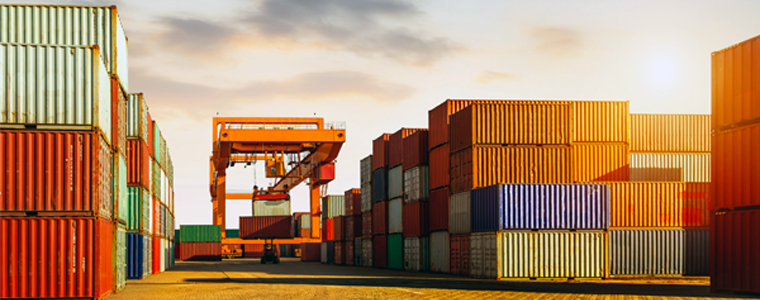
When you’ve got a less-than-container load (LCL), you might find yourself considering a 20′ container. Clocking in at just about half the cubic volume of a standard 40′ container, a 20′ container may seem perfect for you if you can’t fill a dedicated 40′ one. However, many carriers are phasing out this option, and we’ve got three reasons you might want to reconsider, too. We’ll walk you through the “why” in this article. We’ll also offer you some LCL alternatives that will not only save you money but will also save you some valuable shipping time. Reason #1: 20′ Containers Aren’t Cost-Efficient Since a 20′...
Read More


 (626) 723-0722